
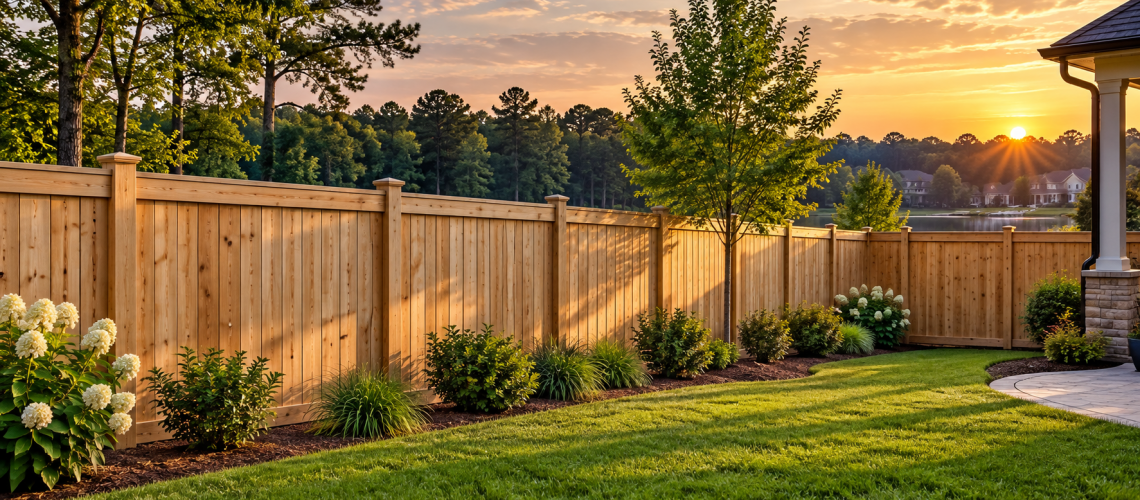
Wood Fences in South Carolina: Everything Homeowners Need to Know Before Installation
Wood fences remain one of the most popular choices for South Carolina homeowners, offering a combination of privacy, security, natural beauty, and affordability. If you’re considering wood fence installation in Lexington, SC, understanding your options can help you choose the right fence for your home, budget, and lifestyle.
From traditional privacy fences to decorative picket designs, wood fencing offers flexibility that works well with many types of properties throughout Lexington, Columbia, Irmo, Chapin, and the surrounding Midlands.
In this guide, we’ll explain the different types of wood fences, how long they last, what affects installation costs, and how to maintain them in South Carolina’s climate.
Are Wood Fences a Good Choice for South Carolina Homes?
Yes. Wood fences are an excellent option for South Carolina homeowners who want privacy, security, and a natural appearance at a reasonable cost. With proper installation and maintenance, a quality wood fence can provide years of dependable performance.
Wood fencing is particularly popular throughout the Midlands because it complements traditional homes, modern properties, and natural landscaping.
Some of the biggest advantages include:
- Privacy: Solid wood fencing can block outside views and create a more secluded backyard.
- Security: A properly installed fence establishes a clear boundary and helps contain pets.
- Customization: Wood can be installed in multiple heights, styles, and configurations.
- Curb appeal: Natural wood complements landscaping and outdoor living spaces.
- Repairability: Individual damaged boards can often be replaced without rebuilding the entire fence.
However, South Carolina’s humidity, rainfall, and summer heat make material selection and proper maintenance especially important.
What Are the Most Popular Types of Wood Fences?
There are several wood fence styles available, each offering different advantages depending on your property’s needs.
1. Wood Privacy Fences
Wood privacy fences are among the most requested fencing styles for residential properties in Lexington, SC.
These fences typically feature closely spaced vertical boards that create a solid barrier between neighboring properties.
A six-foot wood privacy fence is a common choice for homeowners who want to create a private backyard, enclose a swimming pool area, or establish a secure space for pets.
Popular designs include traditional stockade fencing and board-on-board construction.
2. Shadowbox Wood Fences
Shadowbox fences feature alternating boards attached to opposite sides of the horizontal rails.
This creates a decorative appearance on both sides while allowing some airflow through the fence.
Shadowbox fencing is an attractive option for homeowners who want privacy without completely blocking air movement.
3. Horizontal Wood Fences
Horizontal wood fencing offers a clean, contemporary appearance.
Instead of traditional vertical boards, horizontal fences use boards installed parallel to the ground.
This style works especially well with modern homes, updated landscaping, and outdoor entertainment areas.
4. Wood Picket Fences
Picket fences provide a traditional, welcoming appearance for front yards, gardens, and decorative property boundaries.
They are typically shorter than privacy fences and feature evenly spaced vertical pickets.
While picket fences don’t provide complete privacy, they can enhance curb appeal and clearly define outdoor spaces.
5. Board-on-Board Wood Fences
Board-on-board fencing uses overlapping vertical boards to reduce gaps between fence panels.
This design provides additional privacy compared with many traditional side-by-side fence configurations.
It’s particularly useful for homeowners who want to minimize visibility through their fence as wood naturally expands and contracts.
What Is the Best Wood for Fencing in South Carolina?
The best wood for a fence depends on your budget, preferred appearance, and maintenance expectations.
Two commonly considered materials are pressure-treated pine and cedar.
Pressure-Treated Pine
Pressure-treated pine is a popular option for residential fencing throughout South Carolina.
The wood is treated with preservatives designed to help resist fungal decay and insect damage.
Advantages of pressure-treated pine:
- Generally more affordable than cedar
- Widely available
- Suitable for privacy and decorative fence styles
- Can be stained or painted after it has dried sufficiently
Pressure-treated wood still requires maintenance and can experience warping, cracking, or weathering over time.
Cedar
Cedar is another popular wood fencing material because of its attractive appearance and natural resistance to decay.
Advantages of cedar:
- Beautiful natural color and grain
- Natural resistance to certain insects and decay
- Often offers good dimensional stability
- Can be stained to preserve its appearance
Cedar typically costs more than pressure-treated pine, and its performance depends on the species, grade, installation, and maintenance.
For many Lexington homeowners, pressure-treated pine provides a practical balance between affordability and durability.
How Long Does a Wood Fence Last in South Carolina?
A properly installed and maintained wood fence can often last 15–20 years or longer in South Carolina. Actual lifespan depends on the wood species, installation quality, drainage, sun exposure, and maintenance.
South Carolina’s climate can be challenging for wood fencing because of several environmental factors.
High Humidity
Extended periods of humidity can contribute to moisture absorption, swelling, and deterioration if wood is not properly protected.
Heavy Rainfall
Frequent rainfall can increase moisture exposure, particularly around fence posts and areas with poor drainage.
Intense Summer Sun
UV exposure can cause wood to fade, dry out, and develop surface cracks over time.
Insects
Termites and other wood-damaging insects are common concerns throughout South Carolina.
Choosing appropriate materials, installing posts correctly, and performing routine maintenance can help extend the lifespan of your fence.
How Much Does Wood Fence Installation Cost in Lexington, SC?
The cost of wood fence installation depends on the size of your property, the style of fencing, material selection, and installation conditions.
There is no single price that applies to every property.
The most important factors include:
- Linear footage: Longer fences require more materials and labor.
- Fence height: Taller fences typically cost more than shorter decorative fences.
- Wood type: Cedar and pressure-treated pine have different material costs.
- Fence style: Privacy, shadowbox, horizontal, and decorative designs require different amounts of material and labor.
- Gates: Adding pedestrian or double-swing gates increases project costs.
- Terrain: Sloped or uneven yards may require additional installation planning.
- Site preparation: Existing fence removal, vegetation, and accessibility can affect labor costs.
For an accurate estimate, it’s best to have a local fence installation company evaluate your property.
Detail Fence provides free estimates for homeowners interested in wood fence installation in Lexington, SC, and surrounding communities.
Should You Stain or Seal a Wood Fence?
Yes. Staining or sealing a wood fence can help protect it from moisture, UV exposure, and premature weathering.
A protective finish can also help maintain the wood’s appearance and reduce the effects of prolonged outdoor exposure.
However, newly installed pressure-treated lumber may need time to dry before a finish is applied.
The appropriate waiting period depends on the lumber’s moisture content, weather conditions, and the finishing product’s instructions.
A simple water absorption test or moisture meter can help determine whether the wood is ready for treatment.
Homeowners should periodically inspect their fences and reapply protective finishes according to product recommendations and the fence’s condition.
Can a Wood Fence Be Installed on a Sloped Yard?
Yes. Wood fences can be installed on many sloped or uneven properties.
Two common installation methods are:
Stepped fencing: Fence sections are installed at different heights, creating a stair-step appearance along the slope.
Contoured fencing: Fence components are adjusted to follow the natural grade more closely.
The best method depends on the steepness of the slope, the selected fence style, and the desired appearance.
For homeowners with pets, ground clearance is especially important because large gaps beneath a fence can create potential escape points.
A professional fence installer can evaluate your property and recommend the appropriate installation method.
Do You Need a Permit to Install a Wood Fence in Lexington, SC?
Fence permit requirements depend on your property’s location, applicable zoning regulations, and any neighborhood or homeowners association rules.
Properties within the Town of Lexington may be subject to different requirements than properties in unincorporated Lexington County or nearby municipalities.
Before installing a new fence, homeowners should confirm:
- Applicable fence height and placement restrictions
- Property boundaries and easements
- Corner-lot visibility requirements
- HOA or architectural review requirements
- Whether permits or other approvals are required
It’s also important to have underground utilities located before digging fence post holes. In South Carolina, homeowners and contractors can request utility marking through SC811.
Taking these steps before installation can help prevent costly delays or property disputes.
Wood Fences vs. Vinyl Fences: Which Is Better?
Both wood and vinyl fencing offer excellent privacy and curb appeal, but they have different advantages.
| Feature | Wood Fencing | Vinyl Fencing |
|---|---|---|
| Appearance | Natural wood grain | Clean, uniform finish |
| Initial cost | Often lower | Often higher |
| Maintenance | Periodic staining or sealing | Occasional cleaning |
| Customization | Highly flexible | Depends on product system |
| Privacy | Excellent with solid designs | Excellent with privacy panels |
| Repairs | Individual boards often replaceable | May require matching replacement parts |
For homeowners who prefer natural materials and design flexibility, wood fencing is an excellent choice.
For homeowners who want to minimize routine maintenance, vinyl fencing may be worth the additional upfront investment.
How to Choose the Right Wood Fence Company in Lexington, SC
Choosing the right installer is just as important as choosing the right fencing material.
A professionally installed wood fence should provide dependable performance, proper alignment, and an attractive finished appearance.
When comparing fence companies, consider the following:
Local Experience
Choose a company familiar with South Carolina’s climate, soil conditions, and common residential fencing requirements.
Quality Materials
Ask what type of lumber, posts, fasteners, and hardware will be used for your project.
Installation Methods
Proper post depth, spacing, alignment, and gate construction are essential to a durable fence.
Clear Estimates
A detailed estimate should explain the proposed fence style, materials, layout, and project scope.
Attention to Detail
Look for a company that takes pride in craftsmanship and communicates clearly throughout the installation process.
At Detail Fence, we focus on creating fences that combine appearance, functionality, and dependable construction.
Frequently Asked Questions About Wood Fences
What is the most popular wood fence style in South Carolina?
Six-foot wood privacy fencing is a popular choice for South Carolina backyards because it provides privacy, security, and a traditional appearance. Shadowbox and board-on-board fences are also common options.
How often should I stain my wood fence?
Many wood fences benefit from staining or sealing approximately every 2–3 years, although the actual schedule depends on the product, weather exposure, wood condition, and manufacturer’s recommendations.
Is pressure-treated pine good for wood fences?
Yes. Pressure-treated pine is widely used for residential fencing because it is relatively affordable and treated to resist fungal decay and insect damage. Proper installation and maintenance remain important.
How close can I install a wood fence to my property line?
Fence placement depends on local regulations, easements, survey boundaries, and HOA requirements. Homeowners should verify property lines and applicable rules before installation rather than assume a fence can be installed directly on the boundary.
Can a wood fence increase property value?
A well-installed wood fence can improve curb appeal, privacy, and the functionality of a property. These features may appeal to potential buyers, although the effect on resale value varies by property and local market.
Ready to Install a Wood Fence in Lexington, SC?
Let’s Build Something Great.
A beautiful wood fence can transform your backyard, provide privacy for your family, and enhance the overall appearance of your property.
Whether you’re interested in a traditional privacy fence, a modern horizontal design, or a custom wood fence with matching gates, Detail Fence can help you explore your options.
We proudly serve Lexington, Columbia, Irmo, Chapin, Blythewood, West Columbia, Cayce, and surrounding Midlands communities.
If you’re planning wood fence installation in Lexington, SC, contact Detail Fence today to discuss your project and request a free estimate.
Call (803) 728-0318 or request a free estimate online.